RTX 5080 Disappears From Nvidia’s Store as Retail Prices Top $2,199
- Gate
- AI & ML
- Departs
- Crew
- Zhiye Liu
- Passengers
- 567
Nvidia has removed the RTX 5080 listing while U.S. supply tightens. The $999 card now costs at least $2,199 at one in-stock retailer.
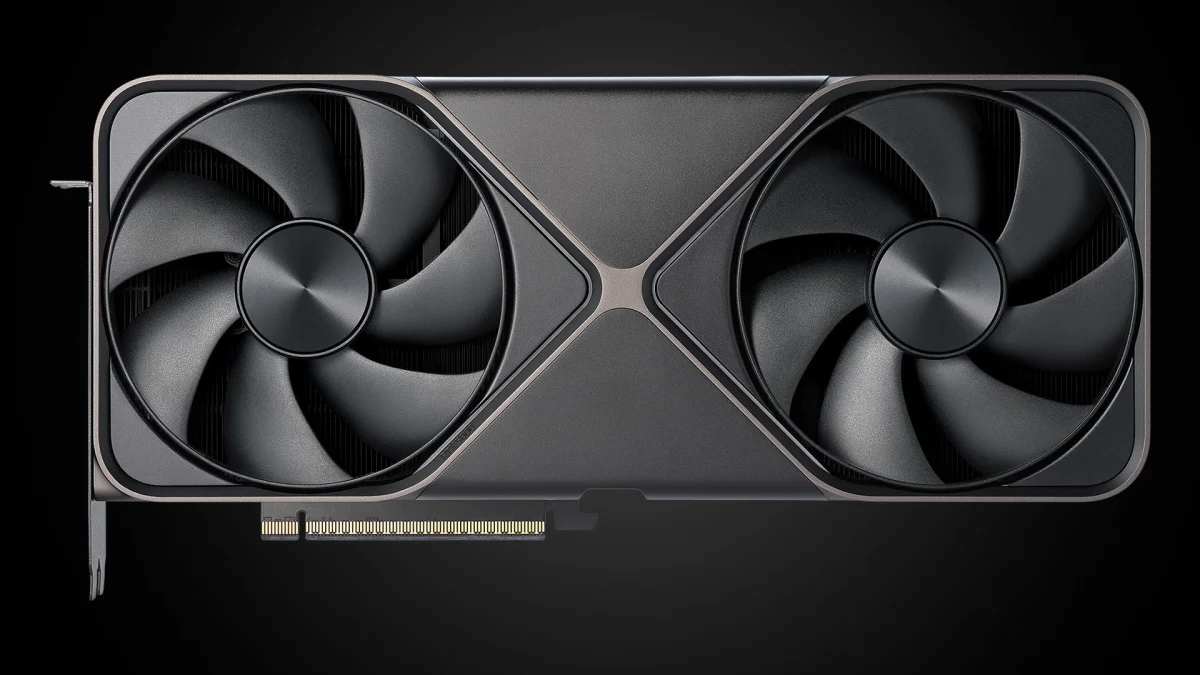
The GeForce RTX 5080 is getting harder to find just as its price climbs well beyond its $999 launch price. Nvidia has removed the card’s listing and filters from its marketplace, and the least expensive in-stock model cited in the source costs $2,199.99. That combination points to a difficult buying market, though the store change alone doesn’t establish that Nvidia has ended production.
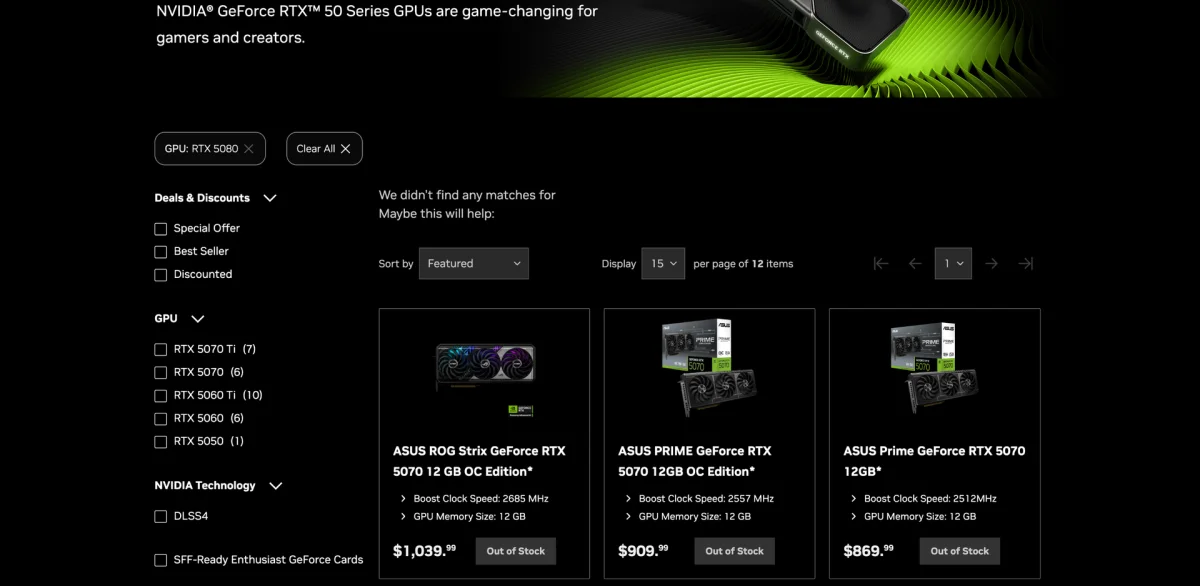
The listing change follows the removal of the GeForce RTX 5090. Nvidia still shows the GeForce RTX 5070 Ti and GeForce RTX 5070 on its marketplace, with both marked “Out of Stock.” Their listings give shoppers a visible sign that those models could return. The complete disappearance of the 5080 and 5090 removes that indication and leaves their near-term availability less clear.
A store listing raises questions, but doesn’t answer them
A product page can disappear for several reasons, and the source provides no confirmation from Nvidia that the RTX 5080 has been discontinued. The card’s removal is therefore a signal about what shoppers can currently see in the company’s store, not proof of a change to its production plans. The distinction matters: a listing can help buyers track a product, but it can’t establish how many units exist, whether more are on the way, or when they might arrive.
Even so, the contrast with the still-visible 5070 models makes the disappearance notable. If those cards remain listed while unavailable, their pages give buyers a place to check for stock. The missing 5080 page offers no comparable path. Combined with reports of dwindling supply at U.S. retailers, the change adds uncertainty for anyone shopping for this tier of graphics card.
Rumors have linked the 5090’s absence to a possible production halt and raised the possibility that Nvidia may also have reduced or stopped RTX 5080 production. Those claims remain unconfirmed in the source. Another rumor points to a GeForce RTX 5080 with 24GB of memory as a possible future flagship gaming card. No details or timing for such a model are confirmed here, so buyers shouldn’t treat it as an available replacement.
More memory wouldn’t make it a 5090 substitute
A 24GB version could address a complaint about the current RTX 5080’s memory capacity. But matching the RTX 5090’s memory would not give a 5080 variant the same processing resources. The source says the 5080 has half as many CUDA cores as the 5090, leaving a substantial performance gap that a 50% increase in memory alone would not close.
That matters when comparing rumored specifications with the card’s actual place in the product range. Memory capacity is one part of a GPU’s capabilities; it doesn’t erase differences in the processing hardware. A 24GB 5080 could be a useful option for workloads that benefit from more memory, but the available information doesn’t establish how it would perform, what it would cost, or when it might appear. Until Nvidia confirms a model, buyers have no basis for weighing those tradeoffs against cards they can purchase now.
Current prices put the 5080 out of reach for many buyers
The RTX 5080 launched in January at a suggested retail price of $999. At the time described in the source, the cheapest in-stock card was a PNY GeForce RTX 5080 ARGB Epic-X RGB OC listed at $2,199.99, or more than 2.2 times that launch price. The article attributes the increase to demand exceeding supply and rising prices amid a memory shortage.
That retailer price is a snapshot of one available model, not a guarantee that every seller charges the same amount. Still, it shows how far the purchase price can drift from the launch figure when stock gets scarce. For someone planning a build, the practical question is whether the 5080’s performance justifies paying more than twice its original suggested price. The source gives no new performance comparison to resolve that choice, and it doesn’t establish how long the listed unit will remain available.
The article also questions whether the RTX 5080 will still be in stock by Black Friday. That forecast is uncertain: the reported shortage and fast-selling inventory suggest availability could tighten further, but they can’t establish what retailers will have later. Nvidia’s response about the card’s status had not yet been received at the time described.
For now, the clearest facts are the missing Nvidia listing, the reported decline in retailer stock, and a cited in-stock price of $2,199.99. Anyone considering the card should compare the price with their performance needs and keep separate what retailers currently list from what rumors suggest may arrive. Nvidia’s next clarification on the 5080’s status—and any confirmed details about a 24GB model—will determine whether shoppers are facing a temporary gap or a longer supply problem.