OpenAI’s “AI Compute Campus” Name Faces a Community Trust Test
- Gate
- AI & ML
- Departs
- Crew
- Newton Gitonga
- Passengers
- 722
OpenAI wants to reframe its data center plans as long-term computing and energy projects. The new label won’t answer questions about local costs and impacts.
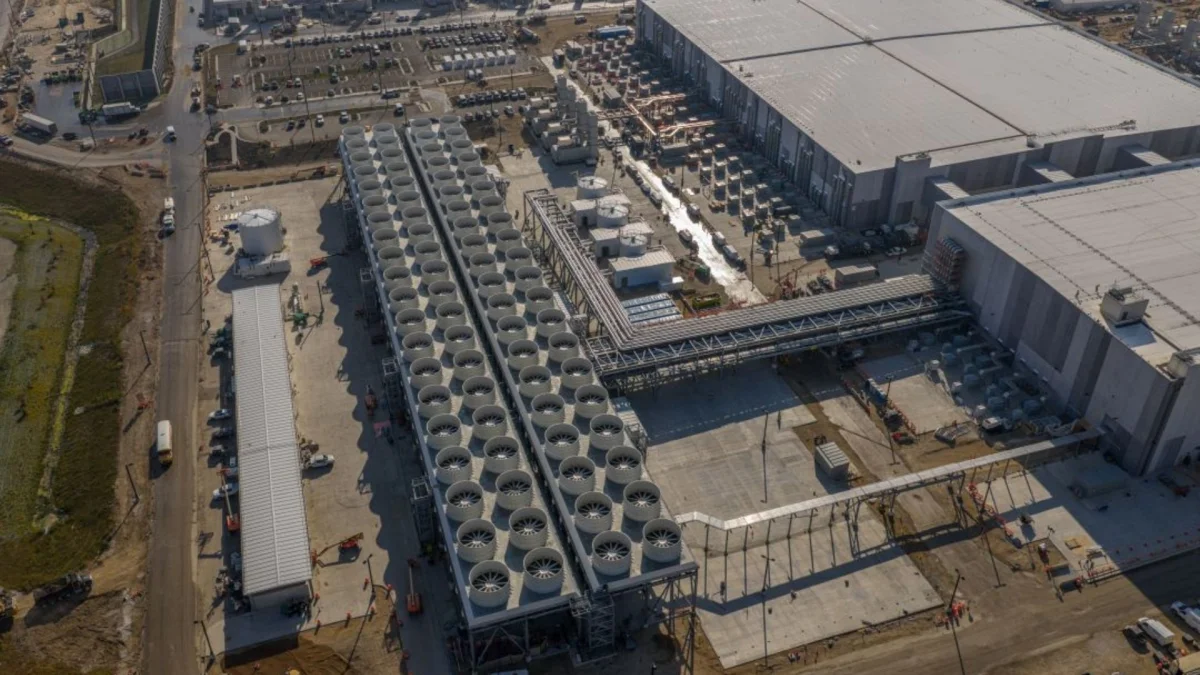
OpenAI’s proposed name for its data centers points to a wider challenge for AI infrastructure companies: explaining what these facilities do and what nearby communities get in return. Calling them “AI Compute Campuses” may emphasize computing capacity, energy systems and skilled jobs, but residents’ concerns center on practical effects such as electricity use, water demand, noise and utility bills.
The naming proposal has been under discussion since August, according to the source report. OpenAI says the phrase better describes infrastructure being built for AI. A company spokesperson described the projects as long-term investments in computing, energy infrastructure and skilled jobs. Those are claims communities can assess against the project details they receive, including expected resource use, local costs and plans for hiring.
A name change meets a resource question
Data centers house the computing equipment that supports digital services and AI workloads. Their energy and cooling needs can be substantial, and the source describes residents raising concerns about electricity and water consumption, noise, air pollution and rising utility bills. A different label does not change those demands. Its value will depend on whether the company pairs it with clear explanations and commitments that people can evaluate.
OpenAI has also discussed safeguards for powerful AI, which its chief global affairs officer, Chris Lehane, described as “speed limits.” That framing concerns how the technology is used; the campus proposal concerns the physical systems needed to run it. Connecting those ideas may help the company describe its broader approach, but it leaves a separate infrastructure question: who pays for expanded power capacity, and how will the project affect people living nearby?
OpenAI has said it wants to address some of these concerns through community agreements and measures such as grid upgrades and flexible electricity use. These proposals matter because local effects can outlast the construction period. Residents will want to know how commitments are measured, when they take effect and what happens if actual demand differs from projections.
Trust depends on access to project details
The proposed terminology arrives amid growing resistance to new data centers. A Redfin report cited in the source found that 47% of surveyed Americans opposed a new data center in their community. Another report described negotiations between developers and local authorities that often take place under non-disclosure agreements, leaving residents without access to project information.
That information gap makes naming especially sensitive. “Campus” can suggest a broader site with multiple functions; “compute” makes the facility’s role explicit. But neither word conveys how much water the site may need, what infrastructure upgrades are planned or how electricity costs could change. If companies want the phrase to clarify rather than soften the project, they will need to connect it to answers residents can check.
The source gives examples of local opposition changing development plans. It reports that at least 19 Michigan municipalities moved to restrict new data center developments after an OpenAI and Oracle project valued at $16 billion proceeded in Sanilac Township despite local opposition. It also says Amazon abandoned plans for four facilities in northern Virginia last month following community pushback. These cases show why public acceptance is a practical condition for building infrastructure, not just a communications concern.
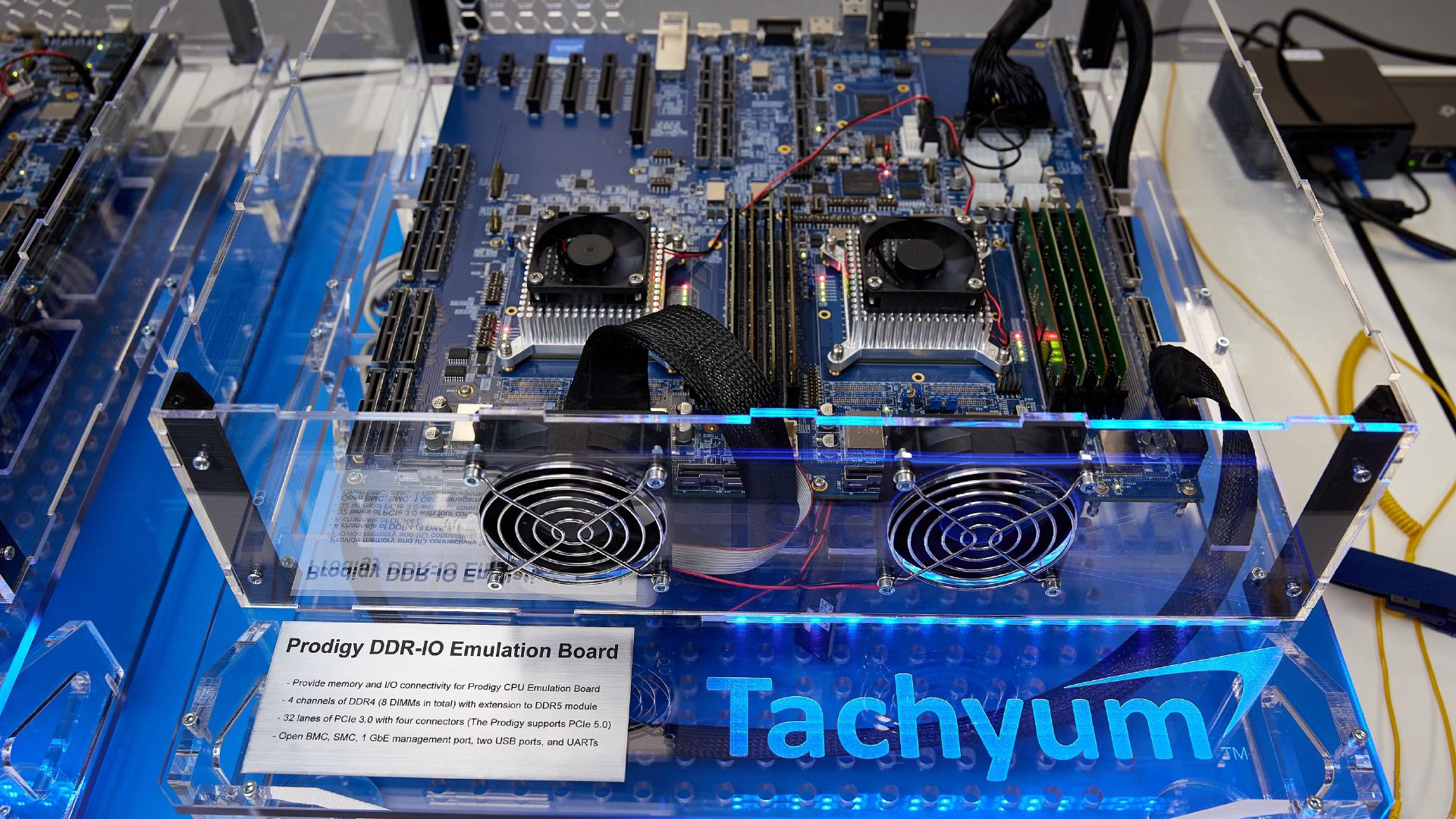
Cooling choices, specialized AI chips and the balance between processors all shape how computing facilities are designed and operated. The source does not provide project-level specifications for OpenAI’s proposed campuses, so it’s not possible to judge their likely efficiency or resource footprint from the name alone. For engineers and buyers, the relevant details will be the facility’s actual workload, cooling approach, power arrangements and operational flexibility.
Other companies are also changing the language
OpenAI’s proposal follows other efforts to present large computing projects in terms of local benefits. Microsoft announced a community-first approach in January, promising to cover electricity cost increases associated with its data centers and invest in local infrastructure and jobs. The source also notes that Nvidia CEO Jensen Huang has called data centers “superintelligence factories,” while Meta created Meta Superintelligence Labs in 2025 and Microsoft assembled a team focused on superintelligence.
These examples point to a broader effort to give AI infrastructure a more affirmative description. Yet the names vary, and their practical implications are difficult to compare without specific project plans. For a town evaluating a proposed facility, the useful questions remain concrete: what will be built, what resources will it require, how will local costs be handled, and what information will be shared with residents?
Lehane acknowledged that communities should hold companies responsible and accountable so they receive a “transformative benefit” from these projects. That is a demanding standard. OpenAI’s new terminology may help explain why the infrastructure exists, but the test will be whether the company’s commitments are specific, visible and tied to measurable local effects. As AI demand grows, the companies that answer those questions clearly are more likely to earn the trust their construction plans depend on.