Creality K3 Review: Four-Tool Printing Works, but the $849 Price Is a Hurdle
- Gate
- AI & ML
- Departs
- Crew
- [email protected] (Denise Bertacchi)
- Passengers
- 478
The K3’s reliable tool changes and clean multicolor prints impress, but its spool holders, unfinished TPU kit and price limit its appeal.
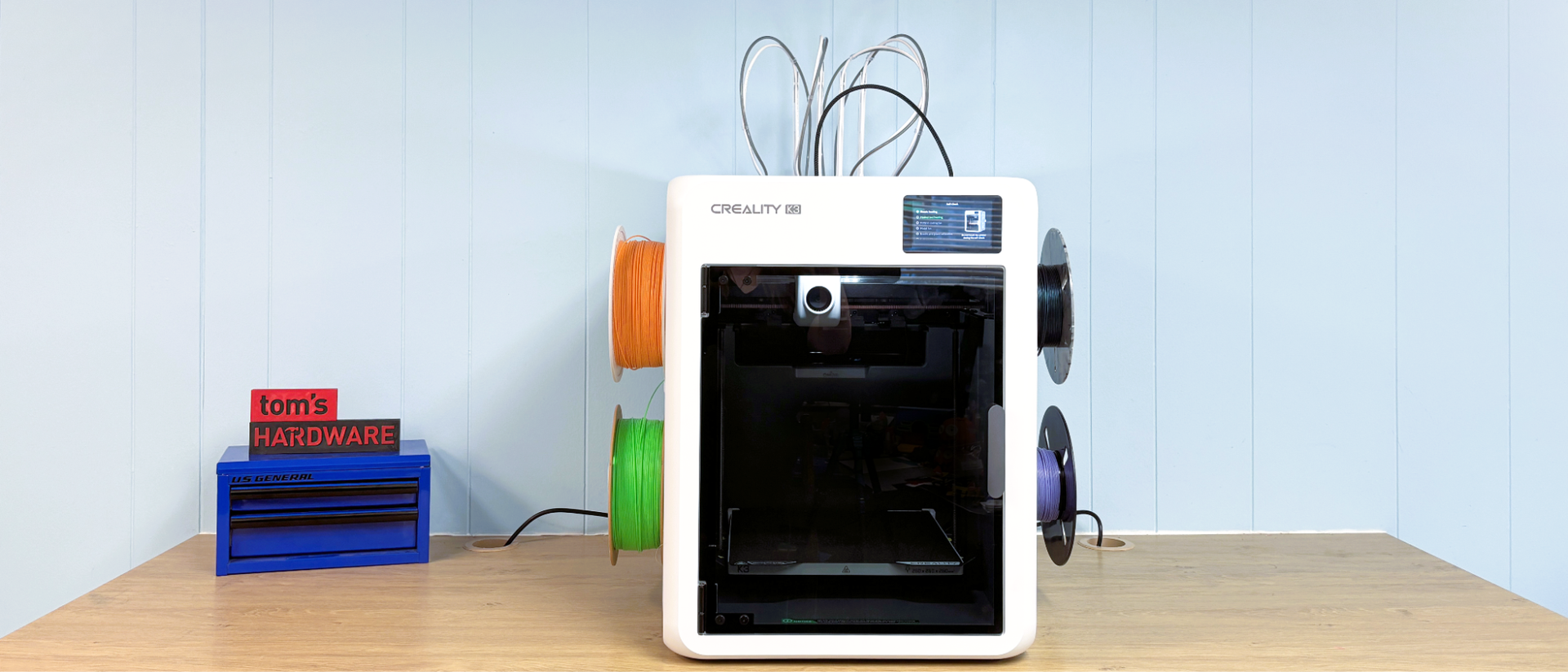
Creality’s K3 makes a convincing case for tool changing as a practical way to print in multiple colors and materials. Its four-nozzle KliTek system performed reliably during testing, and the printer produced clean results at speed. The trade-offs are less novel: the K3 is open-topped, its oversized spool holders reject several common spools, and key accessories for high-temperature and very soft TPU printing weren’t ready for review. At $849, those gaps matter.
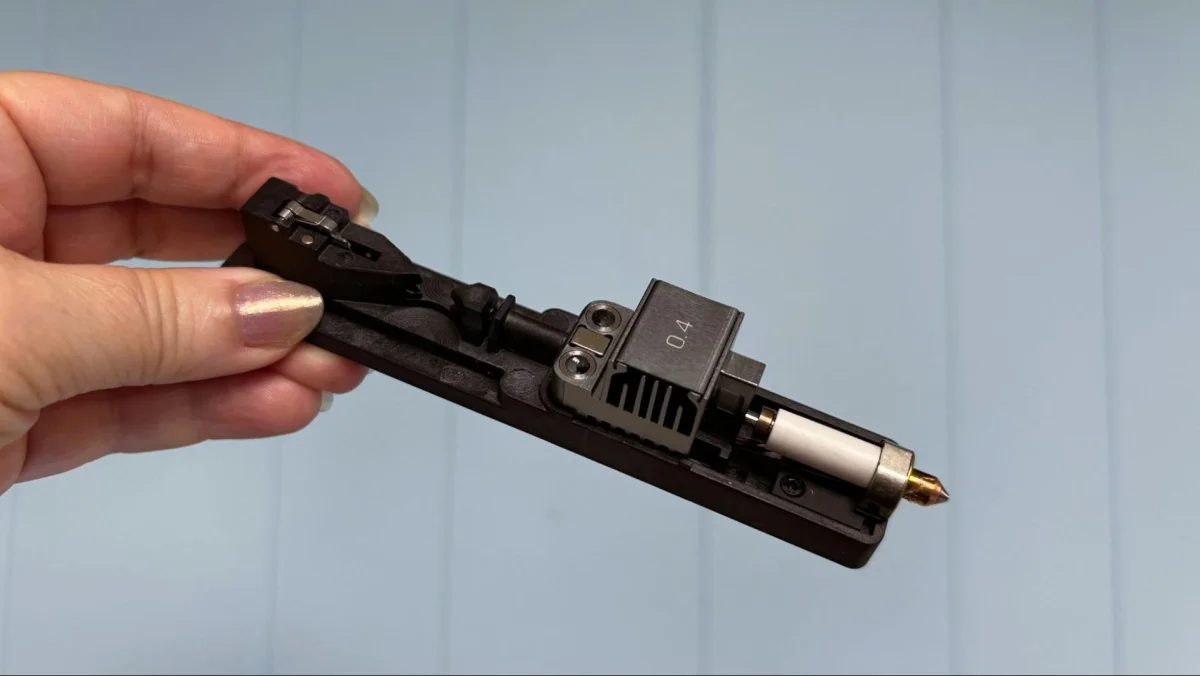
The K3 changes tools instead of repeatedly routing different filaments through one nozzle. That cuts down on the purge waste associated with many multi-material systems, though it doesn’t eliminate it: Creality Print still uses a purge tower. Creality also allows the four tools to use different nozzle sizes and materials, which could help with specialized jobs. In practice, the flexibility sounds more useful than it proved to be in this review.
Four tools, tested performance
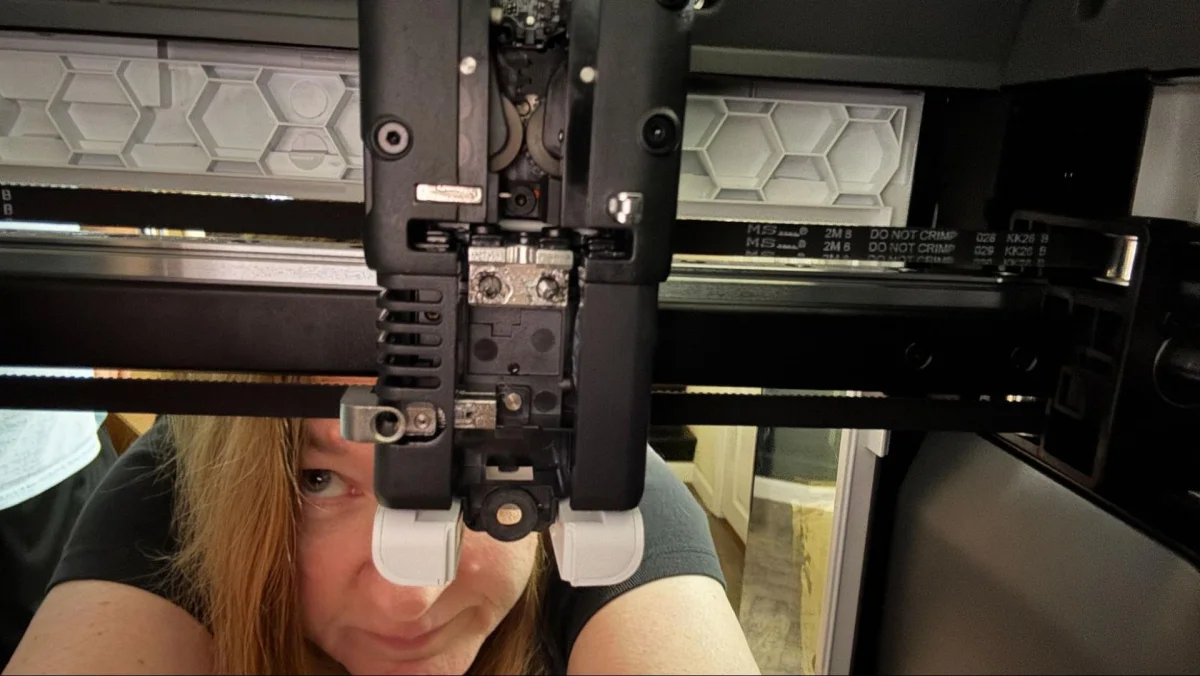
Each tool has its own filament path, ceramic heater and nozzle with a hardened steel insert. Creality says the machine contains 37 sensors, including 12 assigned to tool swapping. The changes were dependable during testing: no tool was dropped or misplaced, and the reviewer reported no failed prints, even at higher speeds.
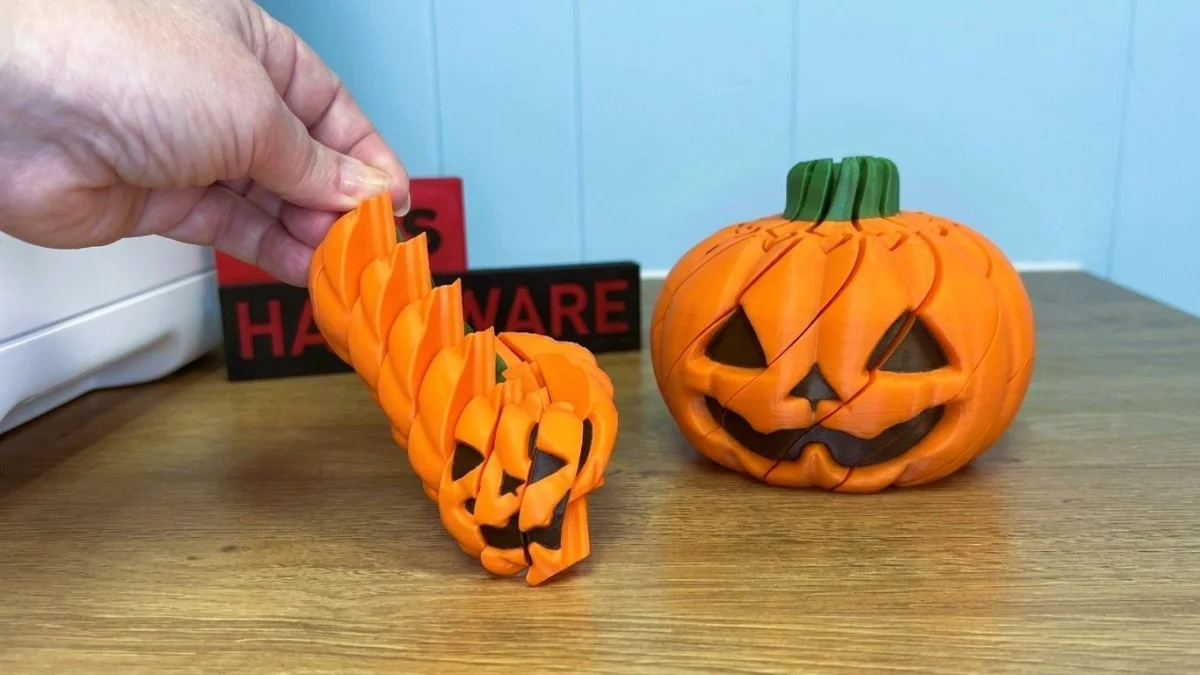
Print samples put that reliability in context. A multicolor pumpkin fidget toy printed in orange, green and black PLA finished in a little over six hours at an average speed of 160 mm/s and a 0.2 mm layer height. It showed no visible overextrusion. A version scaled to 200% took 16 hours and 28 minutes, with the fidget mechanism still working well.
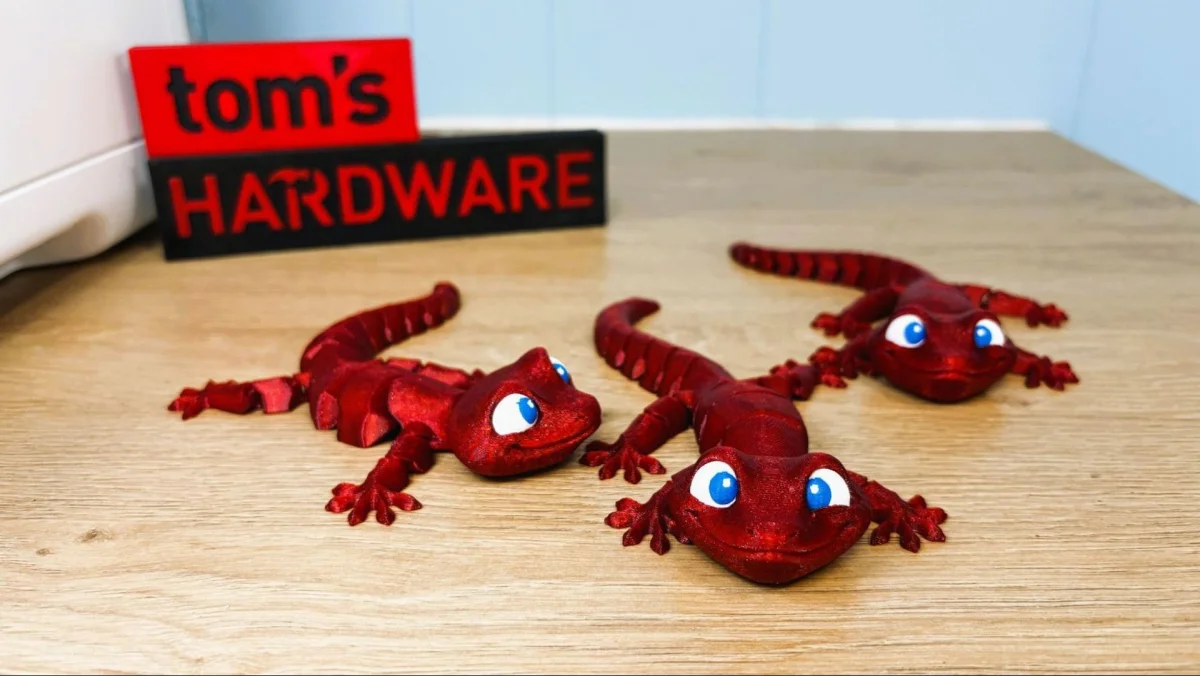
A separate PETG job produced three linked geckos in 5 hours and 45 minutes, using the same layer height and an average speed of 180 mm/s. The links moved freely, with no visible stringing or overextrusion. These results suggest the K3’s appeal lies in more than color changes: it handled several materials and detailed parts without much tuning.
Creality Print also offers filament mixing to create additional colors. The technique, adapted from Snapmaker’s open-source Full Spectrum, layers very thin strands of different filaments to create the appearance of another color. It’s an optical effect rather than a new material color, so the results depend on the model and viewing conditions.
Where the hardware helps—and gets in the way
The K3 uses a Core XY motion system, with a linear rail on the X axis and linear rods on the Y axis. Its bed moves on four rods driven by two lead screws connected to one stepper motor. The frame is metal, with white plastic panels and a glass door. A blower on the toolhead and a larger side-mounted fan cool prints.
The standard machine has an open top. That keeps chamber heat from building up, but it also contributes to noise and limits its usefulness with materials that need a warmer, enclosed environment. The K3 requires a lid for high-temperature filaments; Creality’s planned lid, described as a “top hat,” wasn’t available during the review. Creality says it will come with the TPU Kit.
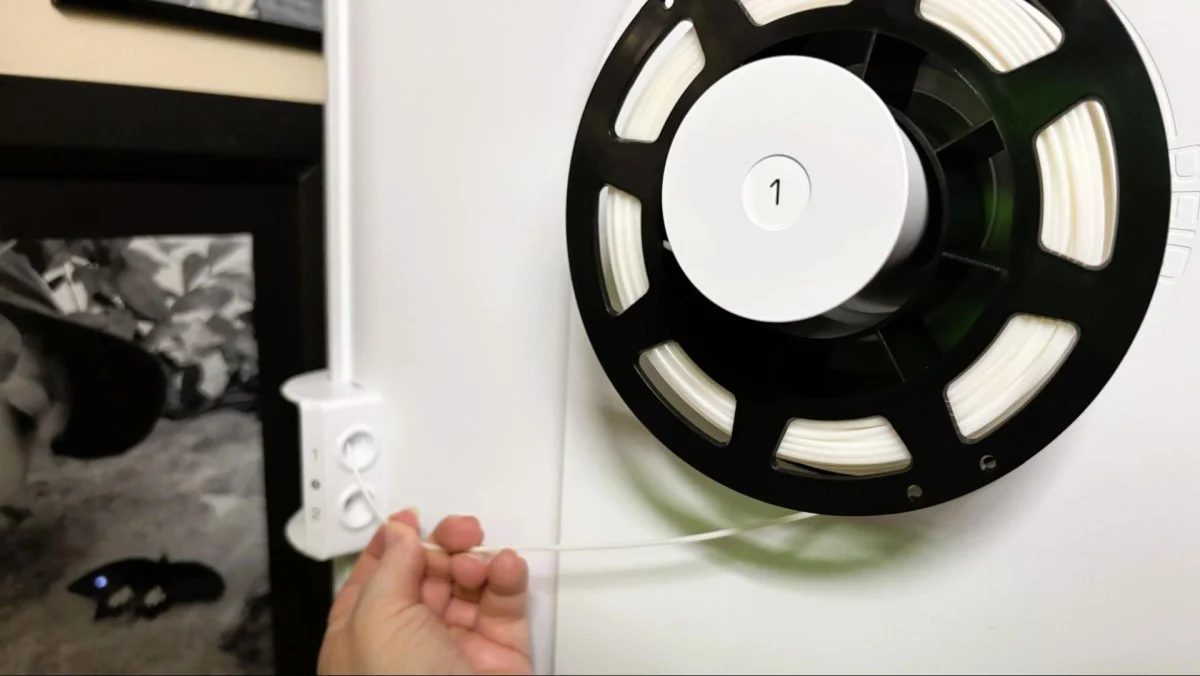
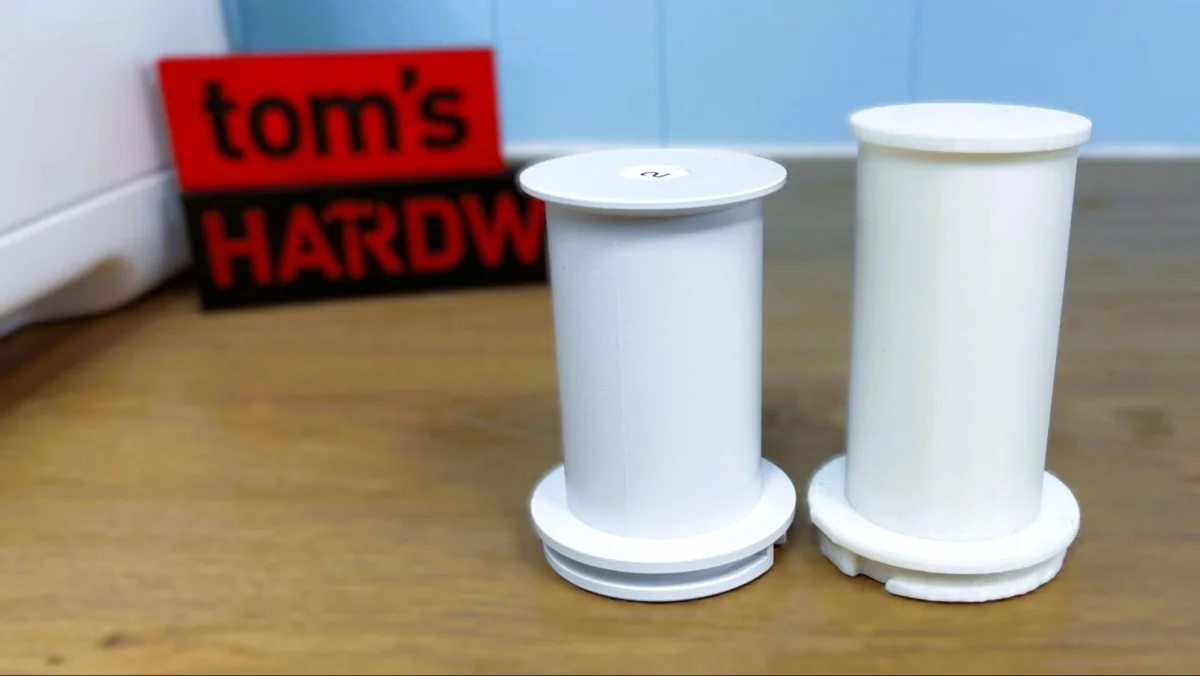
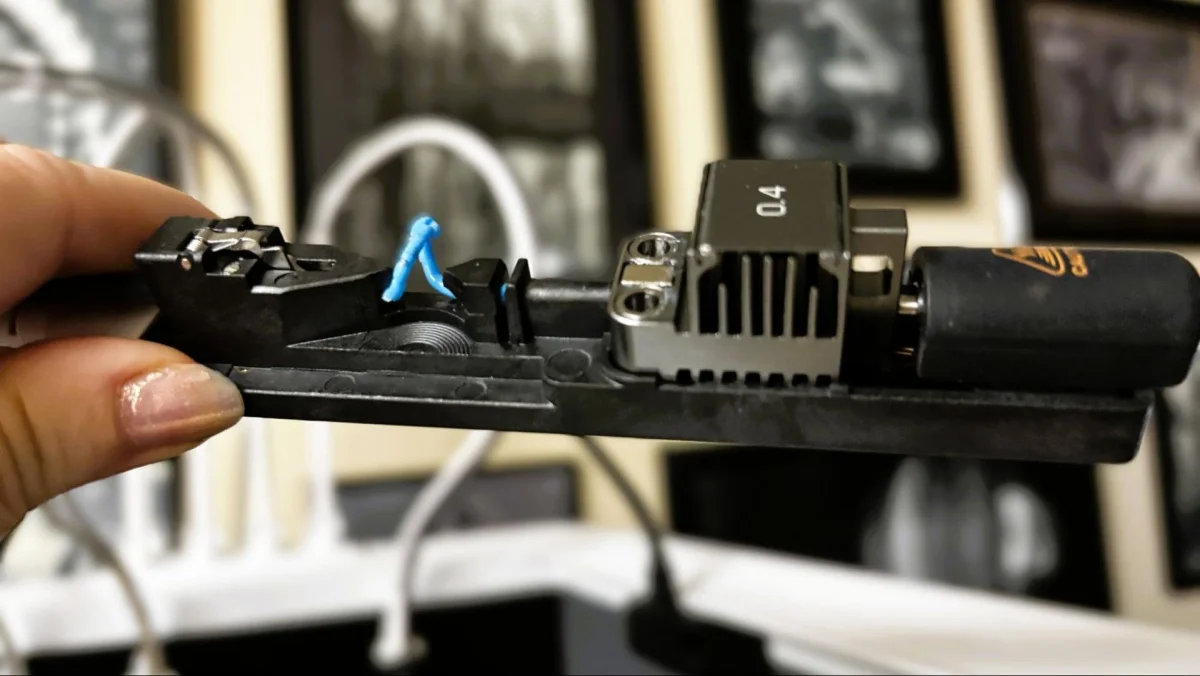
Spool compatibility is a more immediate annoyance. The side-mounted holders are large enough to catch the rims of many cardboard spools and didn’t fit the reviewer’s Prusa, Cookiecad and Ambrosia spools. Polymaker and Bambu spools worked. The reviewer printed narrower replacement holders after scanning and modifying the originals, but most buyers shouldn’t have to alter hardware to use common filament.
The K3 has a 720p camera for print monitoring through Creality Print and the Creality Cloud app. A separate AI camera checks for build plate detection, foreign objects and spaghetti failures. The review reported no false alerts. These features add visibility during longer jobs, though they don’t address the printer’s compatibility quirks.
Setup and software
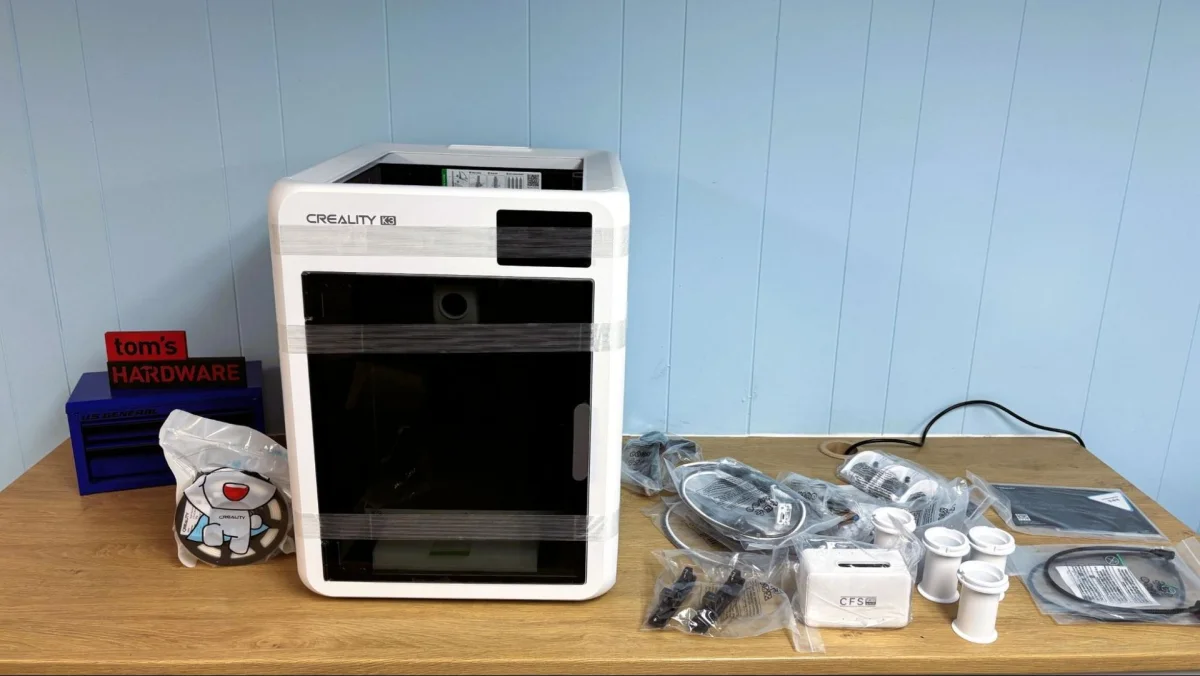
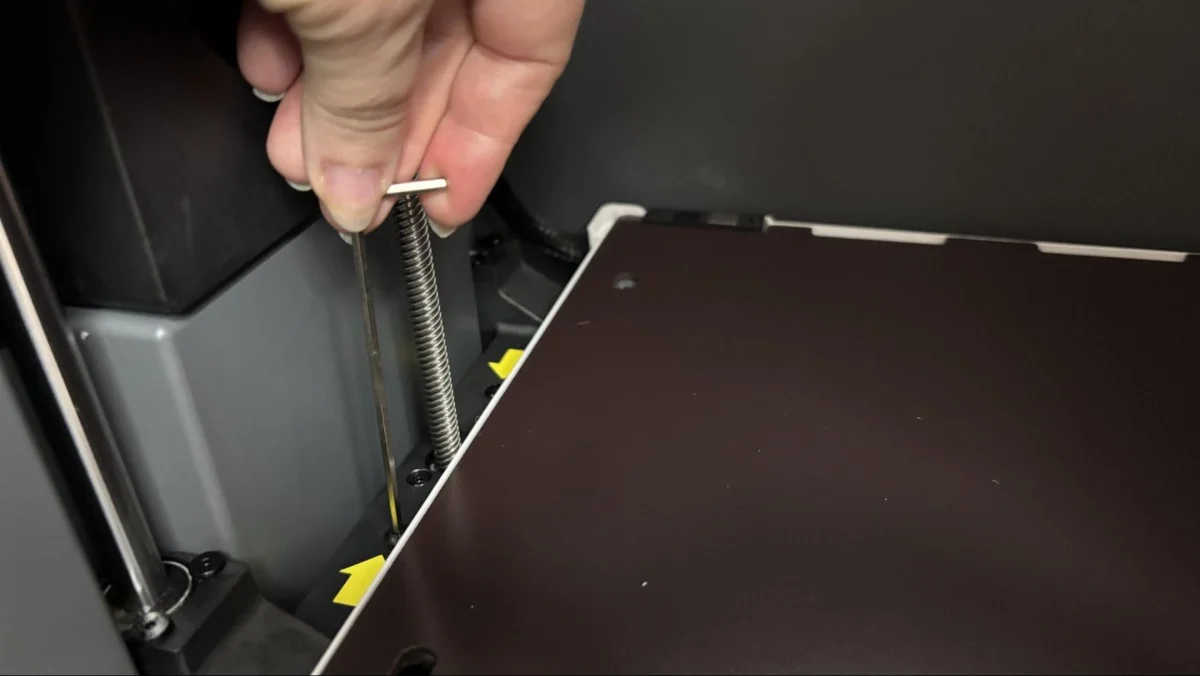
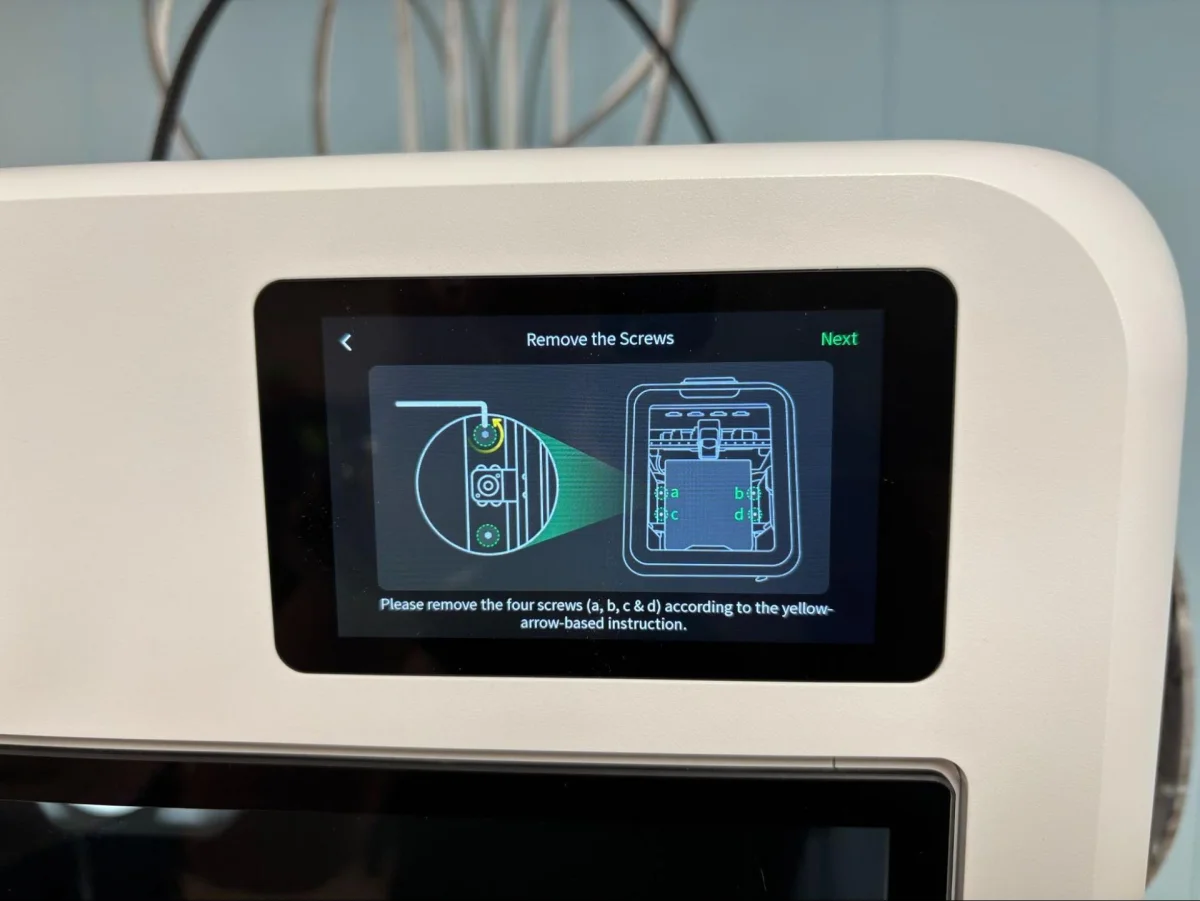
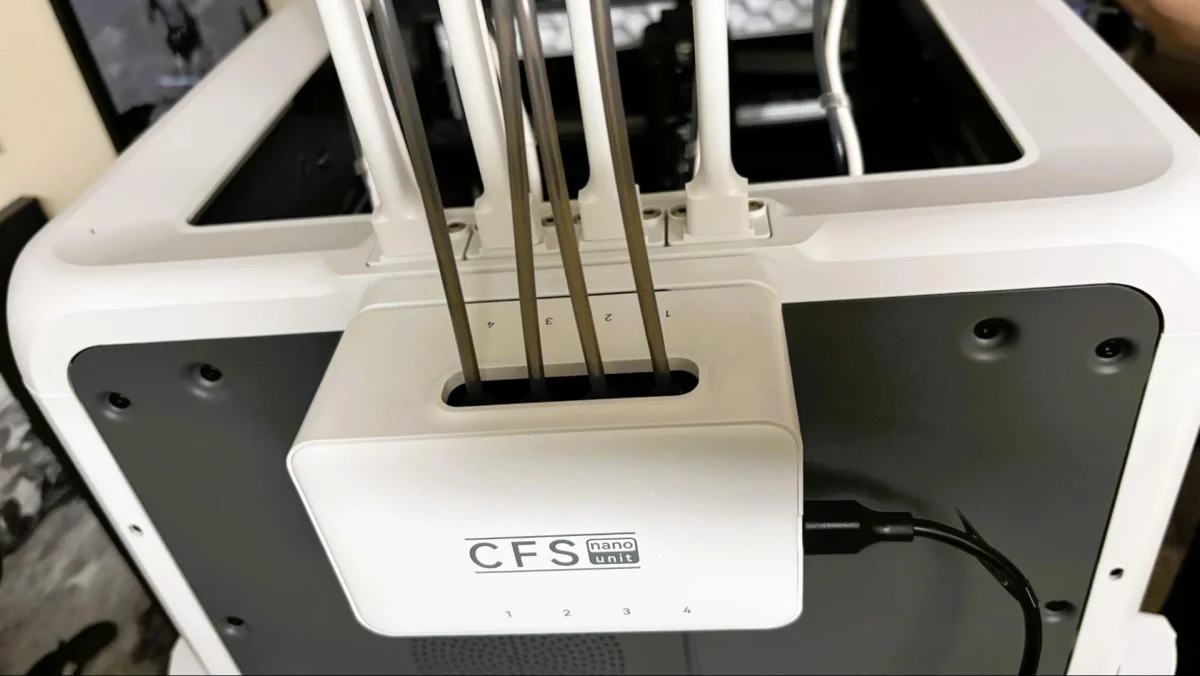
Assembly involves removing four shipping screws that secure the bed, fitting the spool holders and filament guide brackets, and attaching the CFS Nano material handler. The tool cables, PTFE tubes and communication cables then connect the handler and printer. A reminder on first startup helps prevent the easy-to-miss step of freeing the bed.
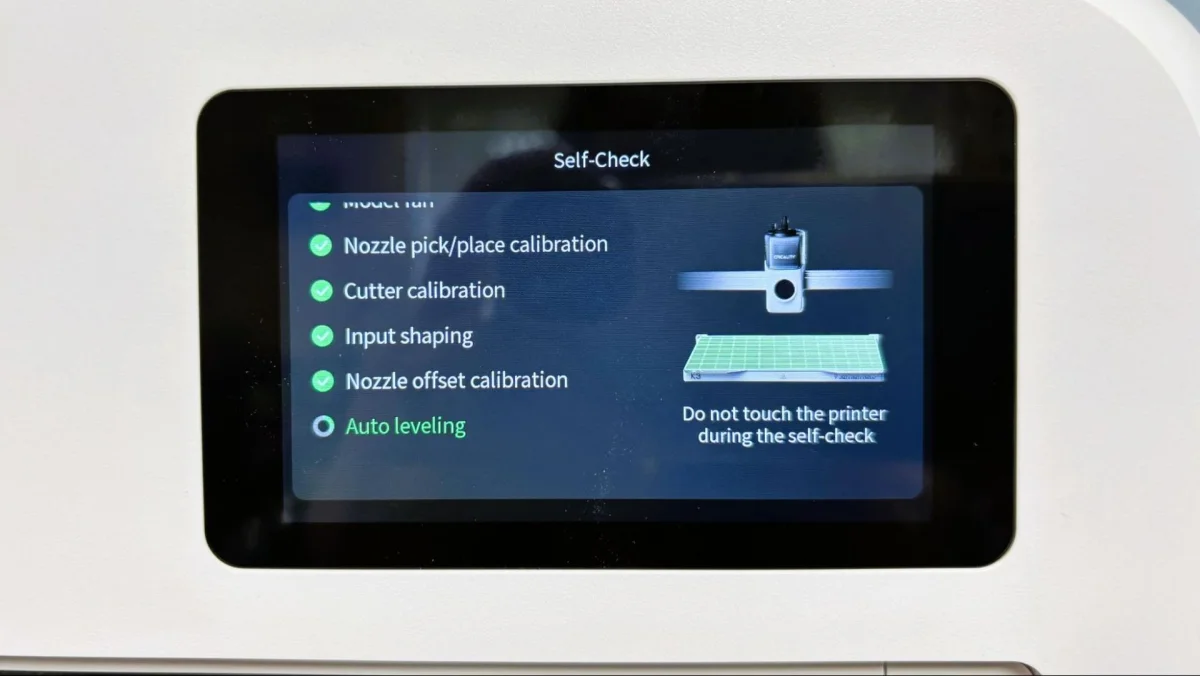
Initial calibration and automatic bed leveling worked well, and leveling can run again before each print. Filament loading is straightforward: users feed filament through a side port, and the CFS Nano guides it to a tool when a print needs it. To unload, the printer cuts and retracts the filament; the remaining length can be pulled out of the handler by hand.
All four slots can read RFID tags on Creality filament and load its material details automatically. With other brands, the printer prompts users to enter the material and color. That’s a small extra step, but it makes the system more convenient when using Creality’s own tagged spools.
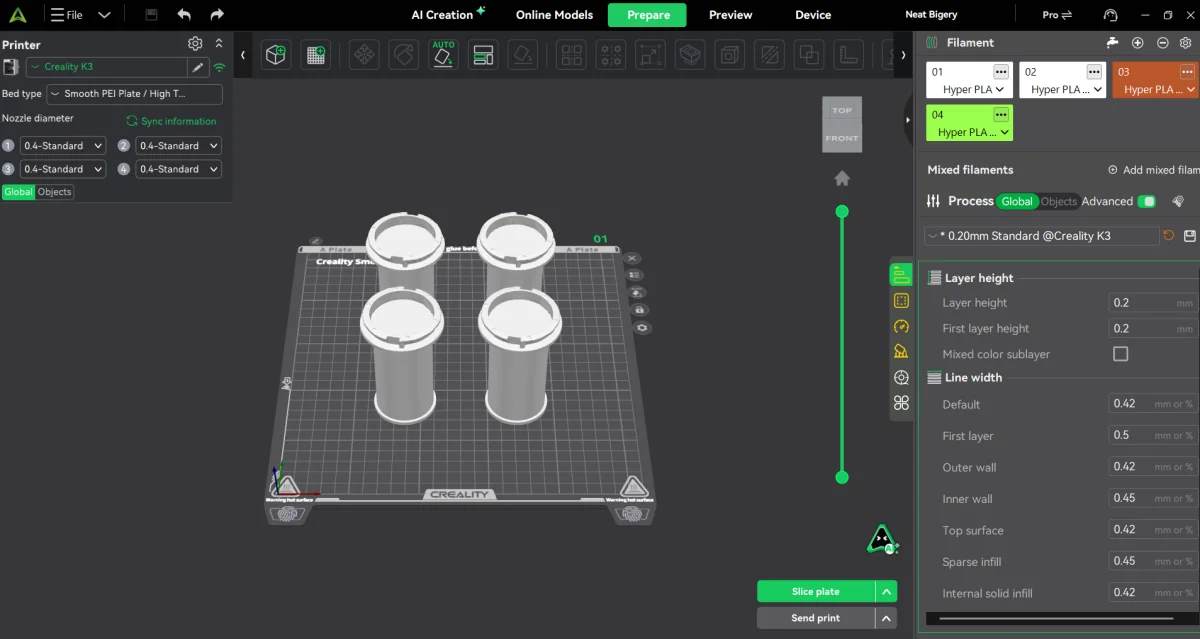
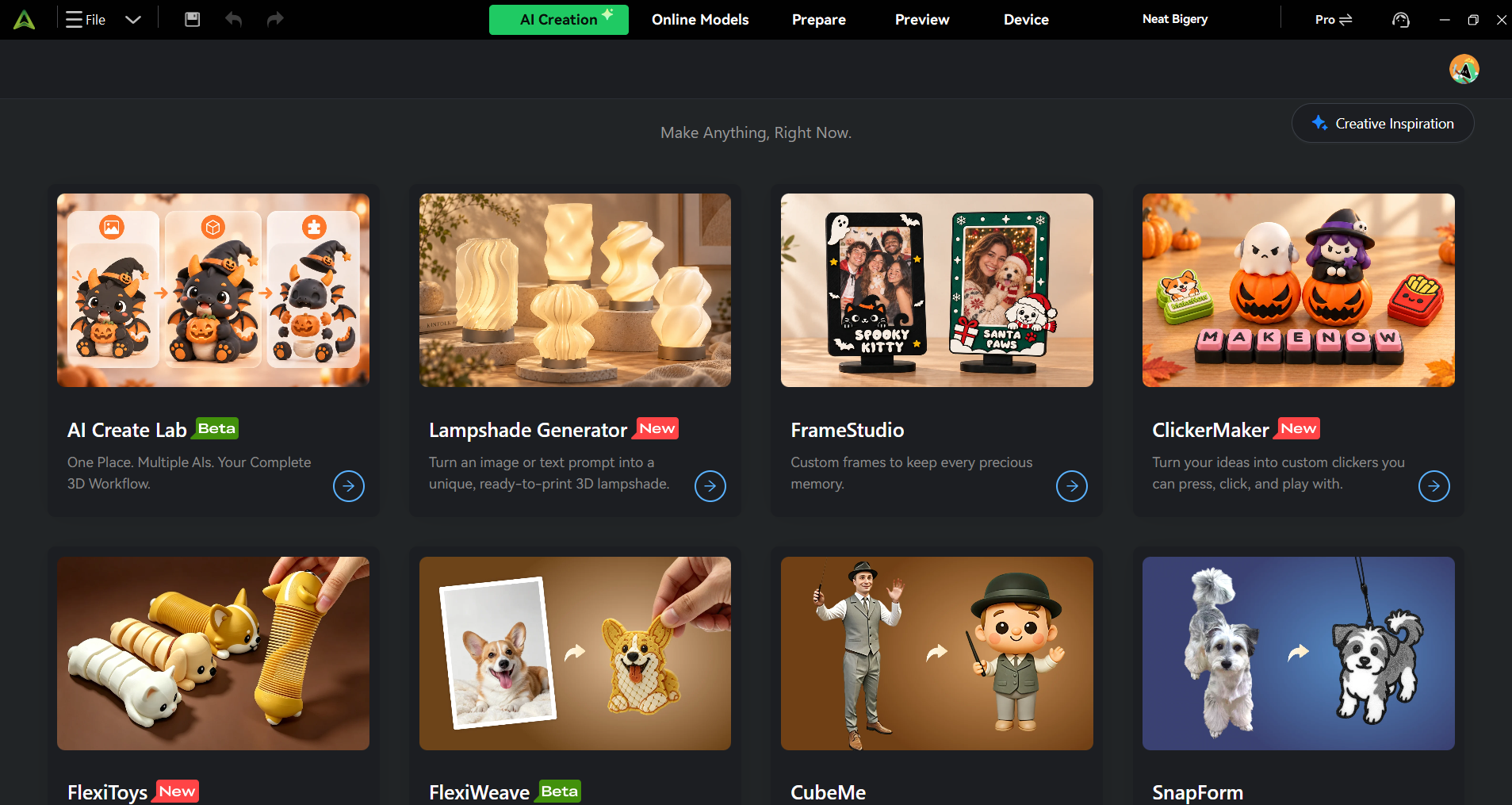
Creality Print 7.3 is based on Orca Slicer and the Ultimaker Cura Engine. Its default settings worked well in testing, and it includes a beta AI assistant. At review time, a filament-mapping button for the K3 was missing, even though the slicer retained a version for older K-series printers. That left a gap in an otherwise capable setup.
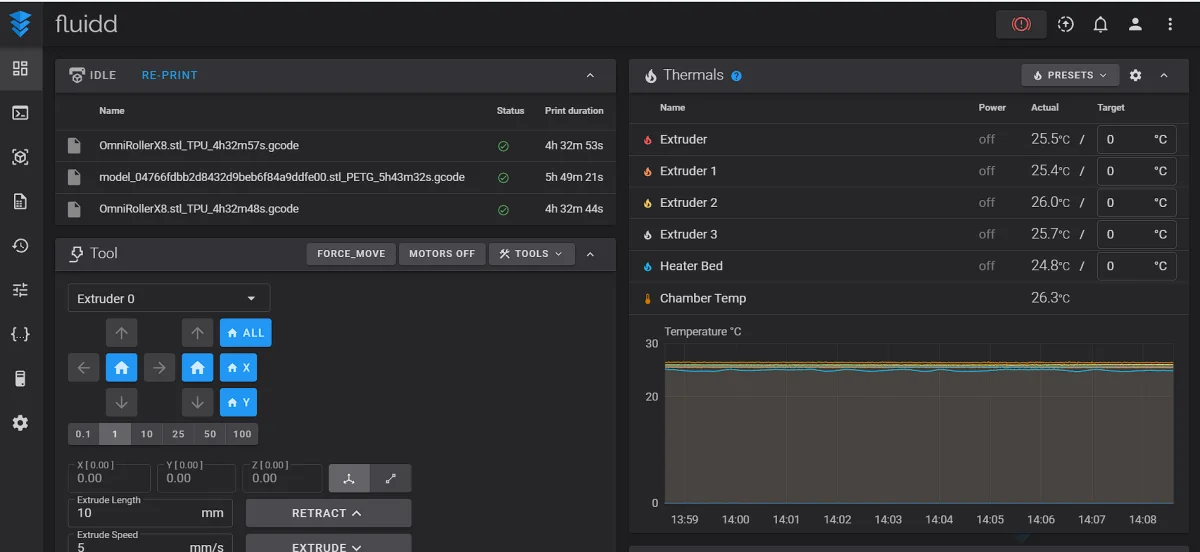
Users can send files through Creality Cloud, transfer them over Wi-Fi, or use a USB drive. For network transfers outside the Cloud, the printer exposes a FLUIDD interface. Users need the printer’s IP address and must add port 4408 in a browser. The choice of transfer methods gives experienced users a direct route to the machine without requiring Creality’s online service.
Material limits and the pending TPU kit
The K3 handled firmer TPU despite not having the special CFS Flex system. Hard TPU for MFS and 95A TPU printed successfully, including sets of eight omni-wheel rollers. Those jobs used a 0.2 mm layer height and an average speed of 50 mm/s, taking a little over four hours each. The reviewer saw slight stringing but otherwise described the parts as successful.
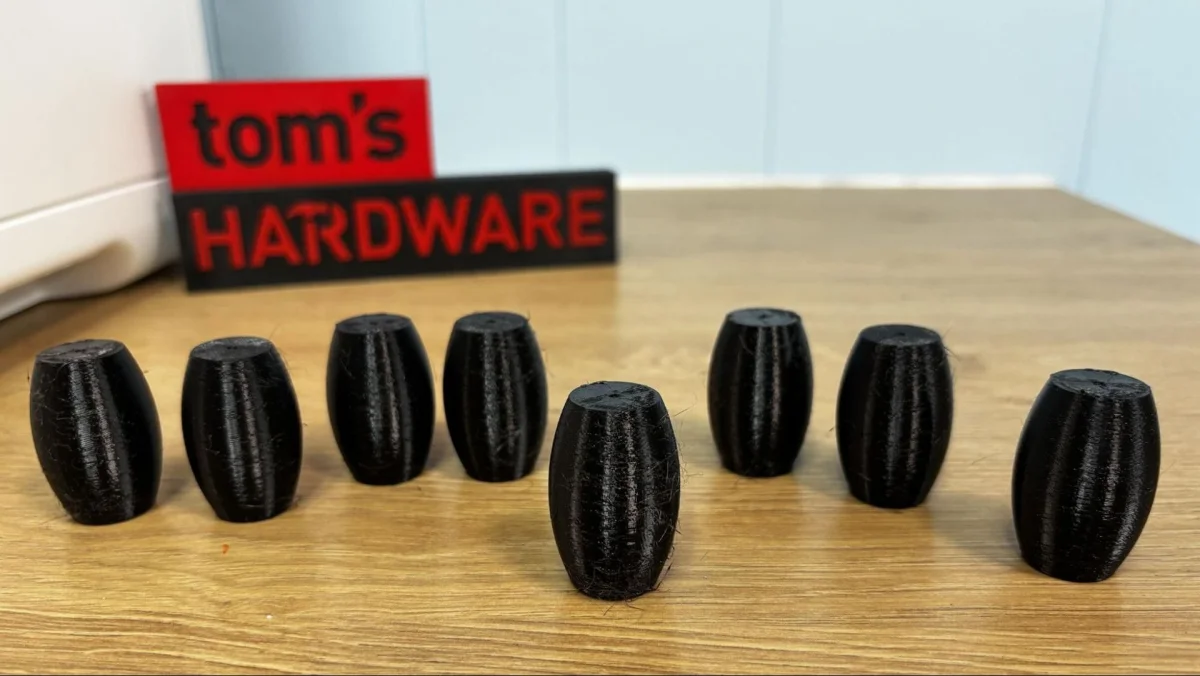
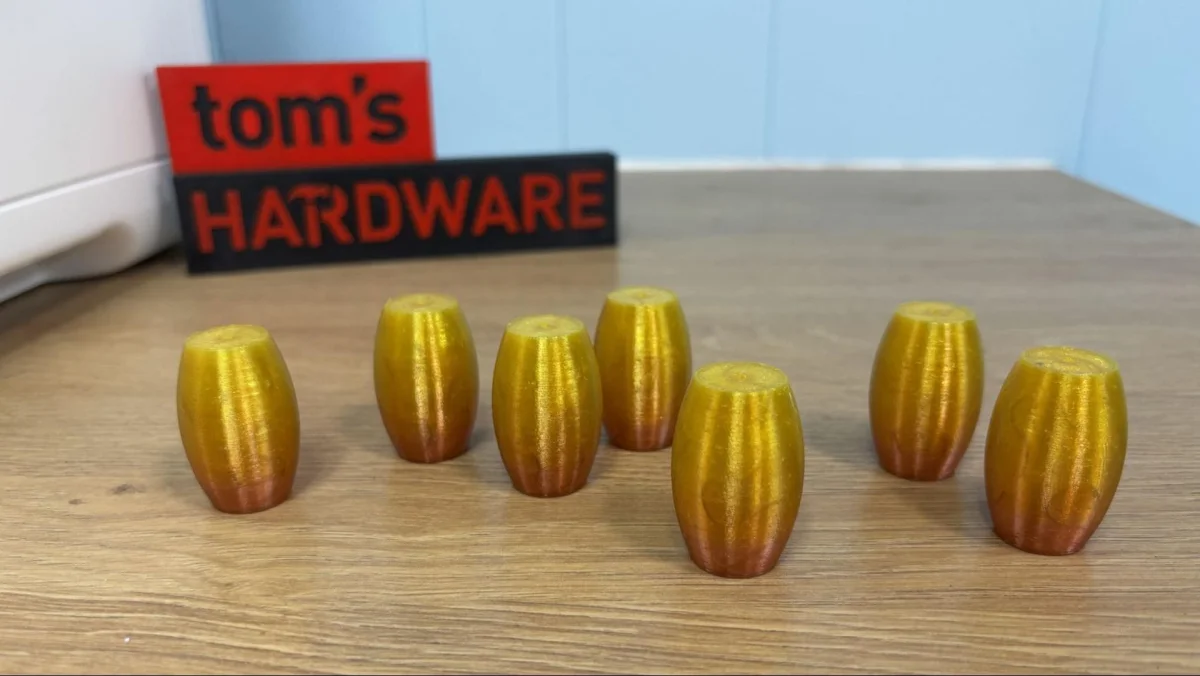
Much softer 90A TPU from Bambu Lab caused trouble. Creality’s planned TPU Kit is meant to address that use case by replacing the CFS Nano with a CFS Flex, adding filament dry boxes and a high-flow nozzle, and supplying the ventilated lid with air filtration. Since the kit wasn’t available for testing, its performance remains an open question. For now, the safer expectation is that the standard K3 suits firmer TPU better than very soft grades.
Price and buying considerations
The K3 has a 260 × 260 × 260 mm build volume, a direct-drive extruder and a standard 0.4 mm nozzle. Its double-sided textured PEI steel plate heats to 100 °C, while the hot end reaches up to 300 °C. The listed material range includes PLA, PETG, PCTG, TPU, and carbon- and glass-fiber-filled filaments. Connectivity includes Wi-Fi and USB, and operation is through a 4-inch color touchscreen. The printer measures 482 × 420 × 536 mm and weighs 22 kg.
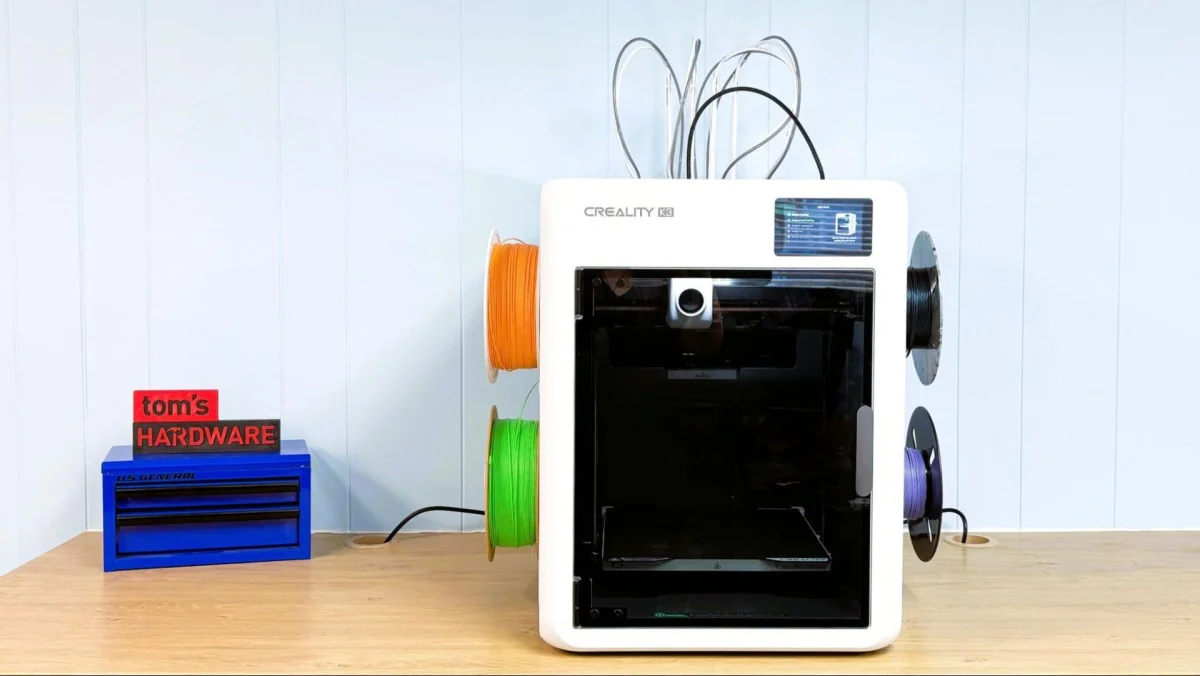
Creality lists the K3 at $849, with preorders beginning October 12, 2026, and shipping scheduled for November 2, 2026. That puts it $100 above the similarly equipped, slightly larger Snapmaker U1. The fully enclosed Flashforge Creator 5 Pro is also listed at the same price, while the budget Flashforge Creator 5 is listed at $699. The K3’s reliable swapping is appealing, but buyers should weigh it against enclosure needs, spool compatibility and the price of comparable machines.
In the box, Creality includes a tool kit with hex keys, side cutters, grease and a nozzle cleaner, a printed installation guide, and a 200 g spool of white filament. The reviewed sample came with white Hyper PLA. The machine also comes with automatic bed leveling and a filament runout sensor.
The K3 looks like a capable addition for people already using Creality’s ecosystem, and its tool changer worked consistently in testing. But the core system doesn’t set it apart enough to erase the price gap or the unfinished accessory story. Buyers who need very soft TPU or an enclosed chamber should wait for the lid and TPU Kit to arrive and see how they perform; everyone else should compare the K3’s reliable four-tool workflow with the cost and material flexibility of its competitors.